ABOUT FIKA
MORE THAN EXERCISE
I believe fitness should make our lives bigger.
Not simply because of what it does for our health, but because of what it makes possible.
THE THINKING BEHIND FIKA
There's no shortage of workouts, training plans or people telling women how to exercise.
So why did I bother starting FIKA?
I was fed up with how small we make fitness for women, when there's a whole world of audacious things we could be training for.
I wanted to build something with bigger ambitions. Considered coaching that takes you seriously, helps you discover what you're capable of and gives you the confidence to go out and get it.
I thought we could do better.
Want to know a little more?
THE BIGGER PICTURE
I believe in building the fitness to say YES.
To the adventures. The challenges. The unexpected opportunities. And all the everyday stuff in between.
Having the strength, fitness and confidence to get stuck into life without wondering whether your body can keep up.
That's what I think we're really training for.
And I think that's a pretty bloody good reason to invest in your fitness.
NOT JUST A COACH
A little about me.
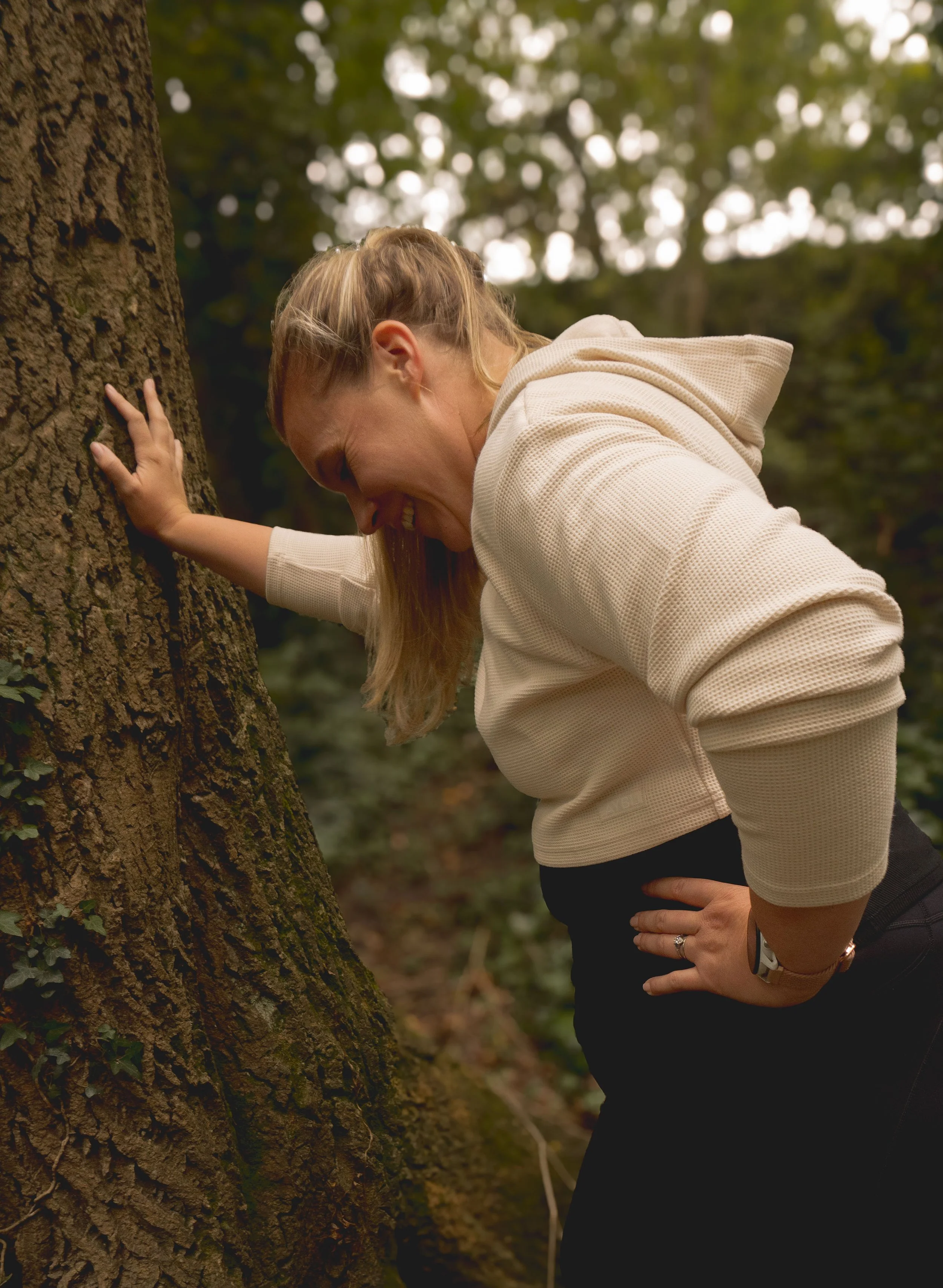
I'm Sarah. Mum of three, strength coach, and someone who's spent a ridiculous amount of her life doing or thinking about exercise.
Sport has been part of my life for as long as I can remember. It's challenged me, frustrated the hell out of me, given me some incredible experiences and taught me a fair bit about myself along the way.
And after 15 years working in corporate marketing, I decided to turn something I'd always loved into something I could spend my days doing..
-
And I think that's why I care so much about what it can do for you.
Because I know that your relationship with exercise won't necessarily look like mine. You might love it. You might dread it. You might be desperate to get back to something you used to enjoy, or have absolutely no idea where to start.
I'm interested in all of that. In understanding what you want, what matters to you and what might be getting in the way.
But the bit I really love? Watching something change.
When you surprise yourself. When you stop questioning whether you belong in the gym. When you realise you're capable of something you hadn't even considered before.
Those moments are bloody brilliant. And getting to play a part in them is a privilege I don't take lightly.
-
Level 3 Personal Trainer — PFCA
Level 2 Gym Instructor — PFCA
The Female Body — The Well HQ
-
I don't think becoming a qualified coach means you've finished learning. Quite the opposite, actually.
I've undertaken further strength and conditioning education through Australian Strength Coach, and I continue to spend time studying exercise physiology, programme design and the research behind how we train.
I'm interested in understanding not just what works, but why it works, who it works for and when we might need to do something differently.
And importantly, how to turn all of that into better coaching for the women I work with.
Shall we get started?
RIGHT THEN…
Tell me a little about yourself, what you're working towards and what you'd like some help with. I'll take it from there.
THE SCIENCE & THE ART
There's more than one way to be fit.
Fitness isn't one thing. And I don't think we should train as though it is.
Strength, aerobic fitness, mobility, balance, coordination... they all contribute to what our bodies are capable of. The interesting bit for me, is understanding how they work together for you, what we're trying to develop and how we get there.


Being strong is more than lifting heavier weights in the gym. It's about building muscle, developing our ability to produce force and increasing what our bodies are capable of. And that takes purposeful, progressive training.
You can be incredibly strong and still be out of breath walking up a hill. Aerobic training develops a different capacity: how efficiently we use oxygen, sustain effort and recover.


MOVEMENT CAPACITY
PROGRESSION & RECOVERY
AEROBIC FITNESS
STRENGTH
Our bodies adapt to what we ask of them. The skill is knowing how much to ask, when to increase the challenge and when to recover. More isn't automatically better. Neither is harder.
It's not just about the force we can produce, but how well we can use it. Mobility, stability, balance and coordination all influence how we move and what we can ask of our bodies.